Tacky Mat Disposal Risks: Static & Particles | Sticky Mat Alternative
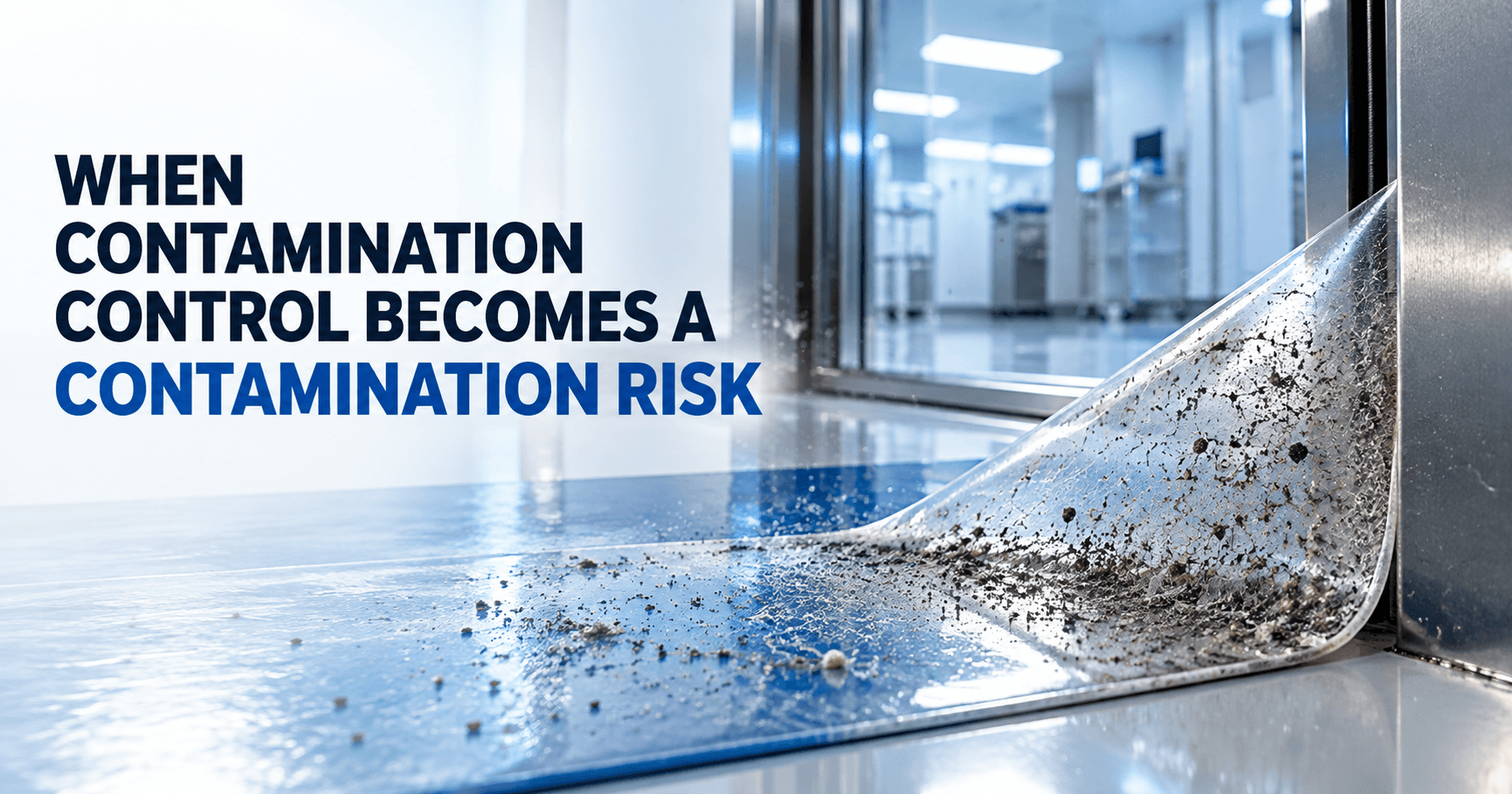
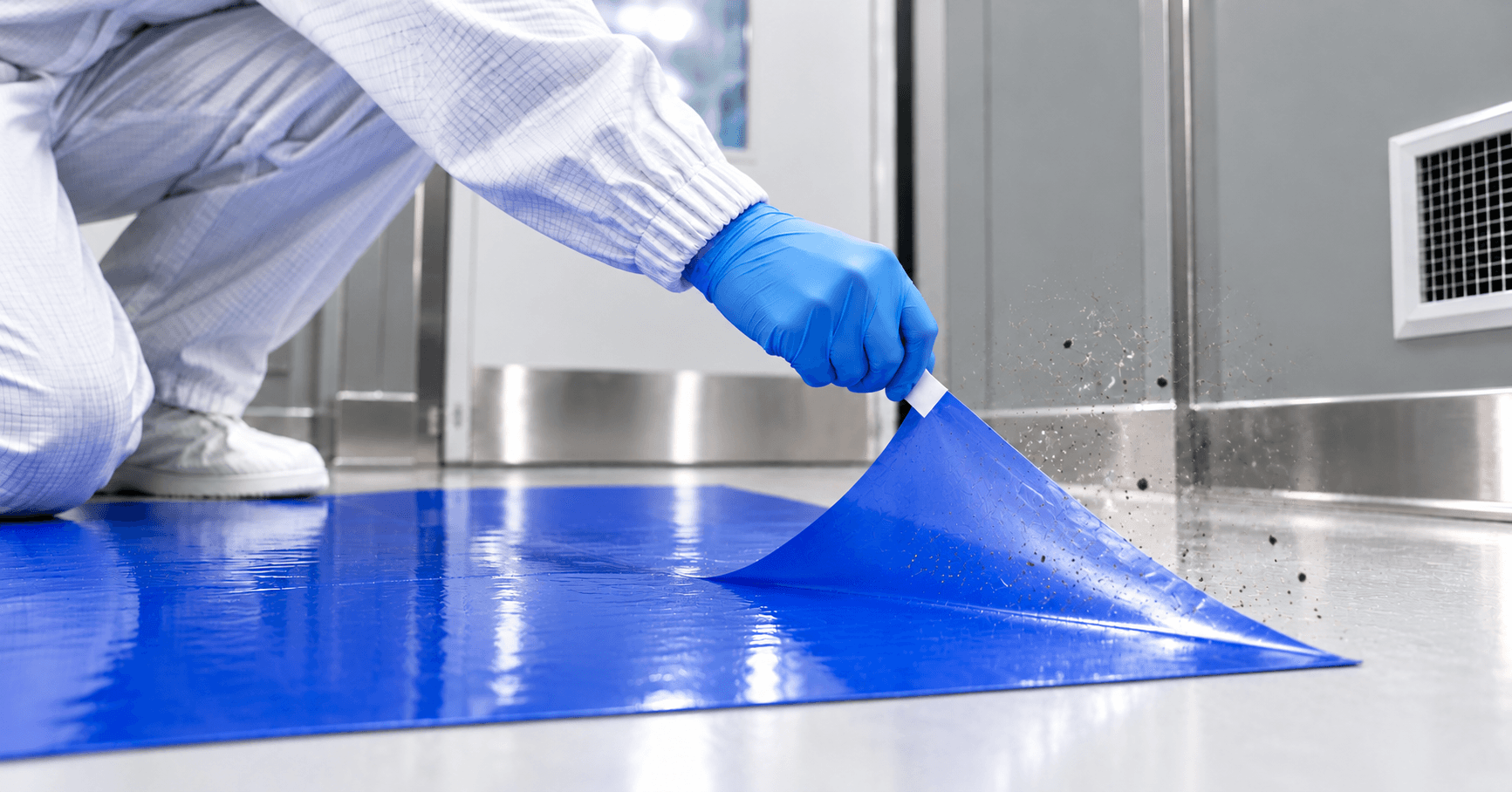
Peeling and rolling used tacky mat sheets can create static and release particles at cleanroom entrances. See the mechanism and a reusable alternative.
Stay updated with the latest in contamination control, cleanroom technology, and industry best practices.

Peeling and rolling used tacky mat sheets can create static and release particles at cleanroom entrances. See the mechanism and a reusable alternative.

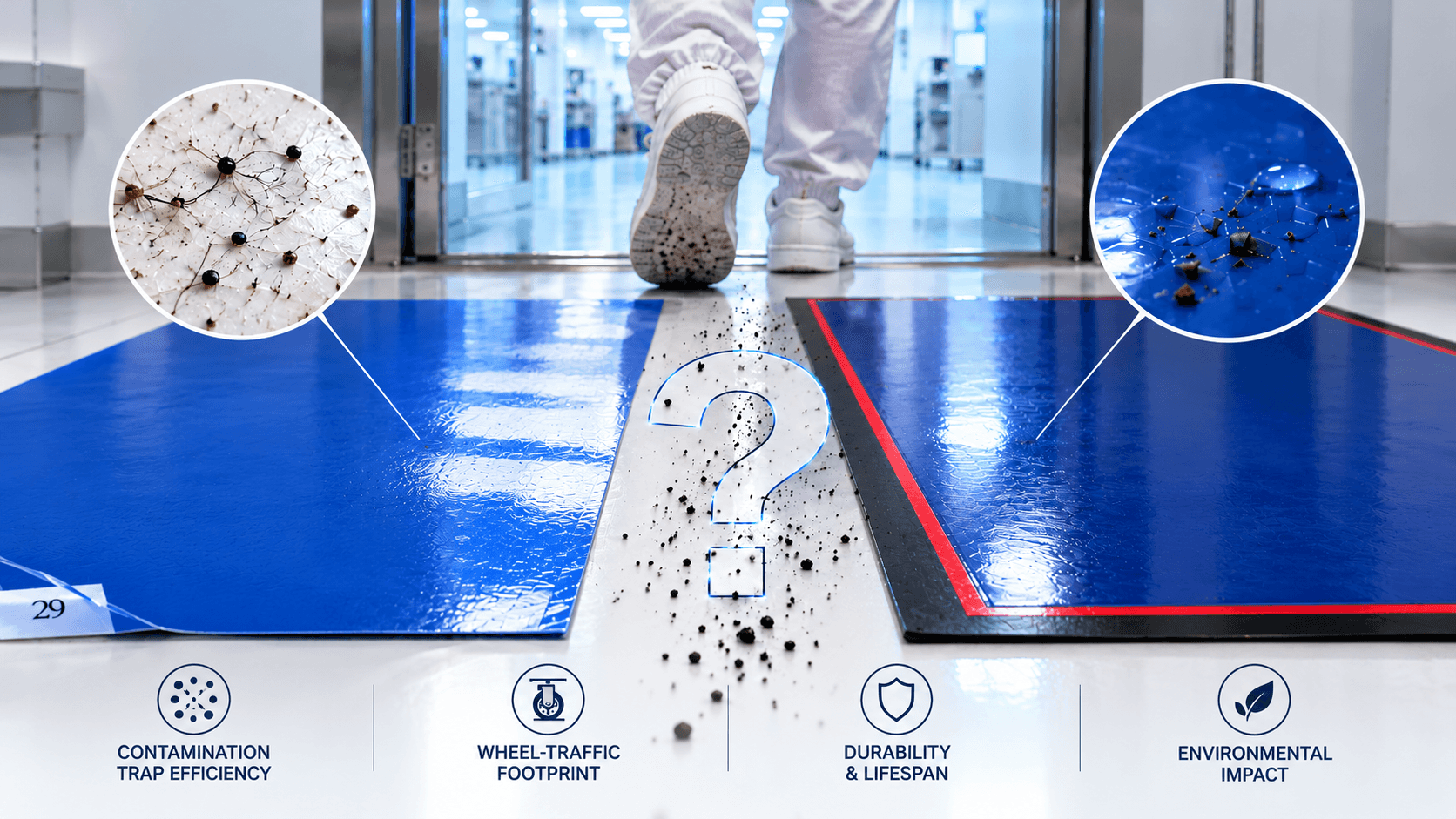
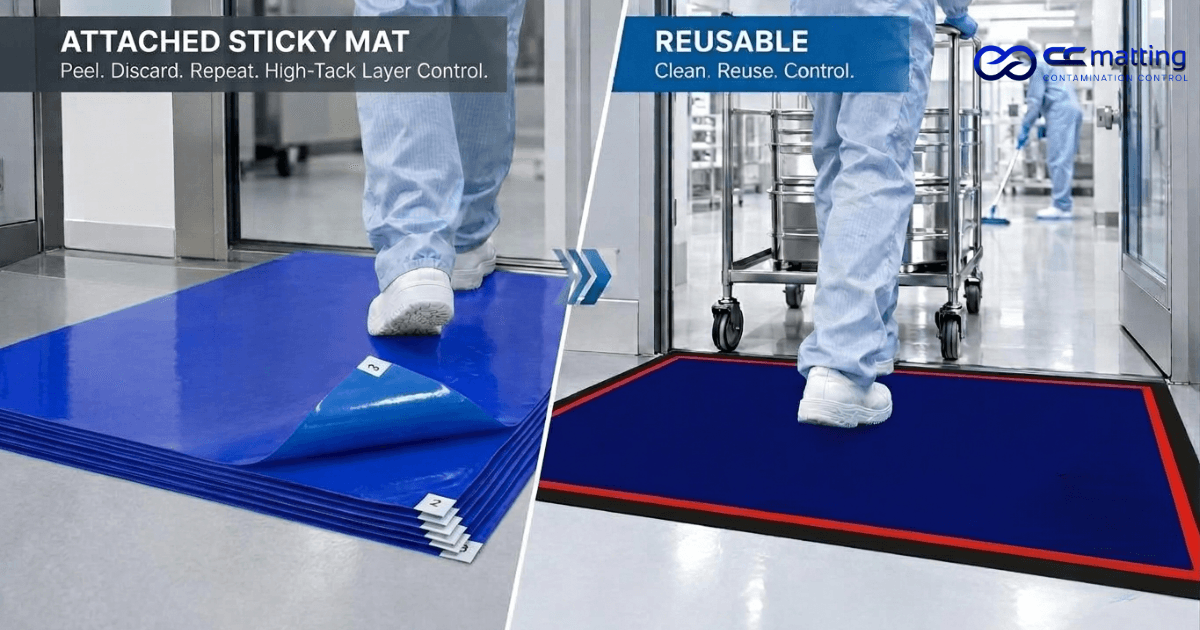
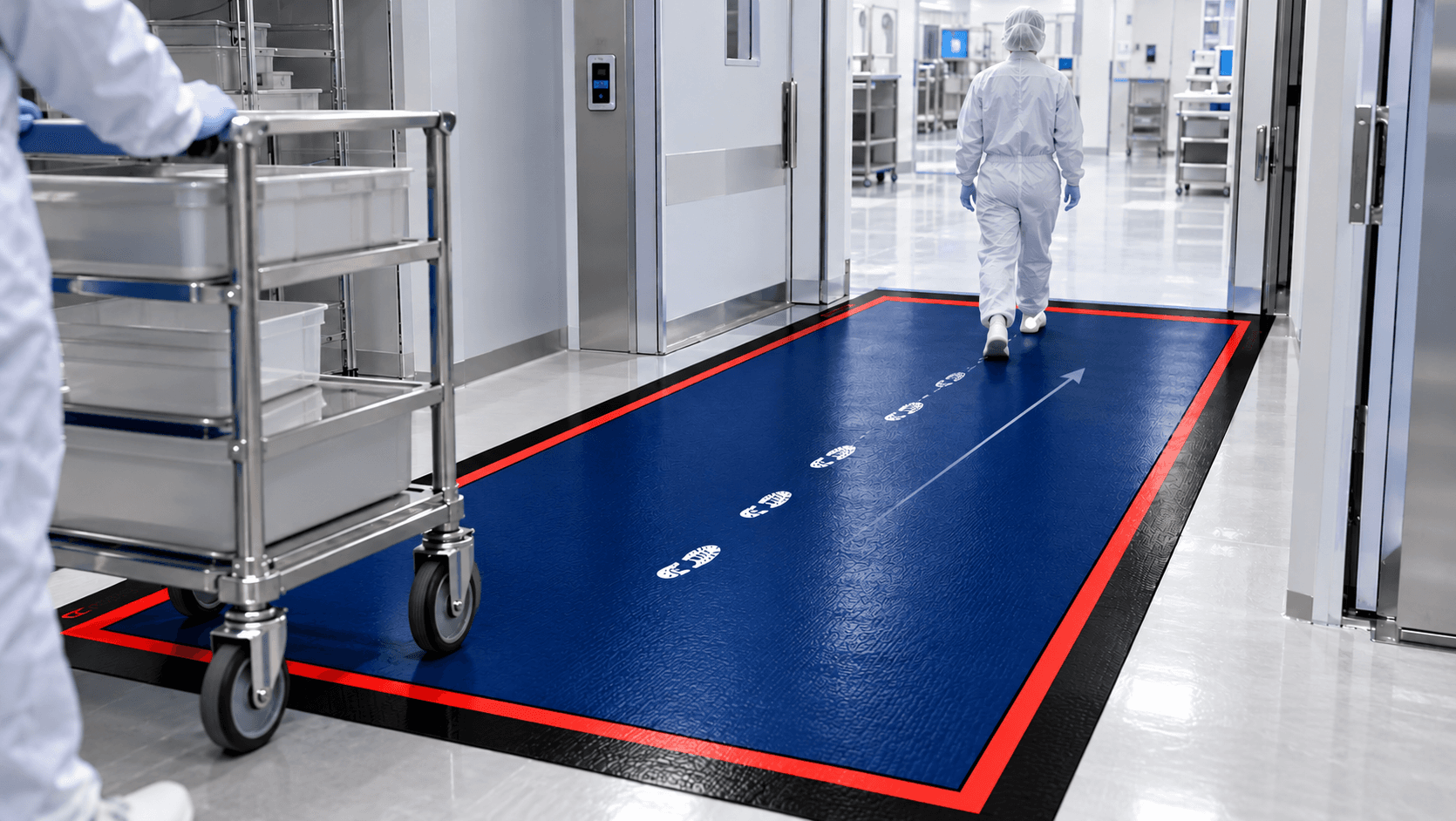
Compare sticky mats and washable polymeric contamination control matting on trap efficiency, wheel-traffic footprint, durability and environmental impact.

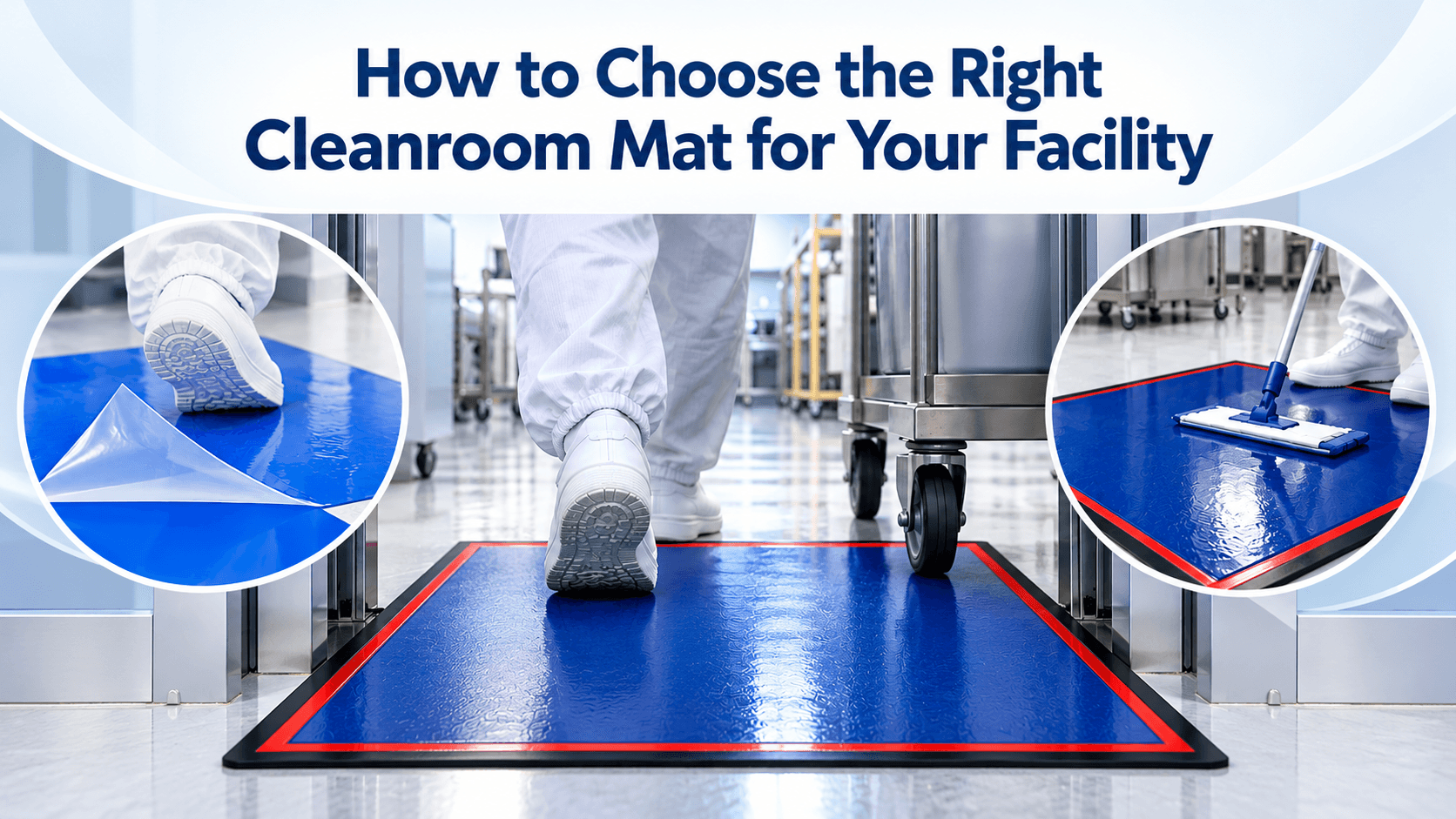
A practical guide to choosing a cleanroom mat: sizing, test evidence, tacky vs reusable polymeric matting, and cleaning. Questions to ask any supplier.

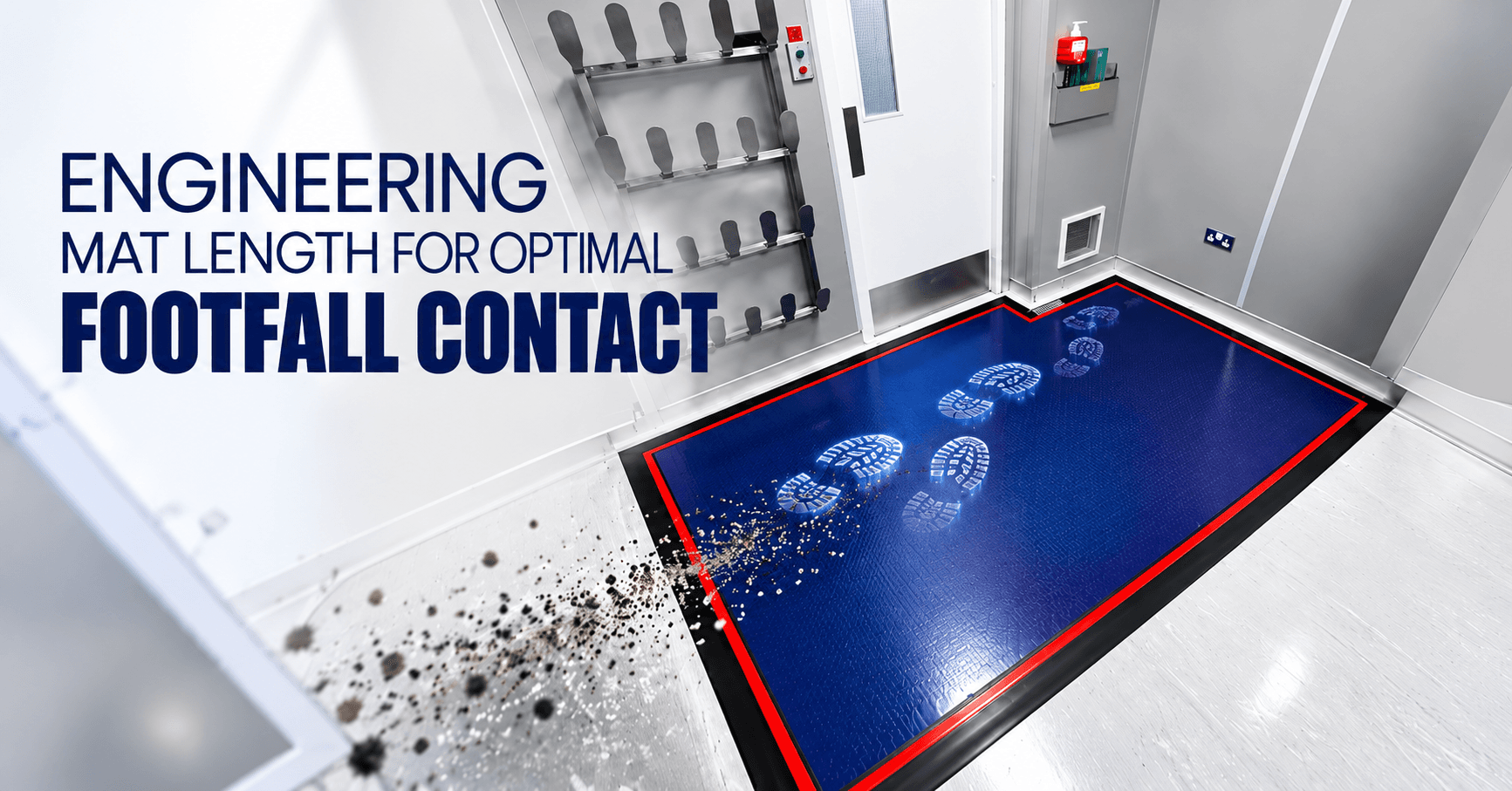
How long should cleanroom entrance mats be? Plan walk-off matting by contacts per foot, with placement guidance for entryways, airlocks and trolley routes.

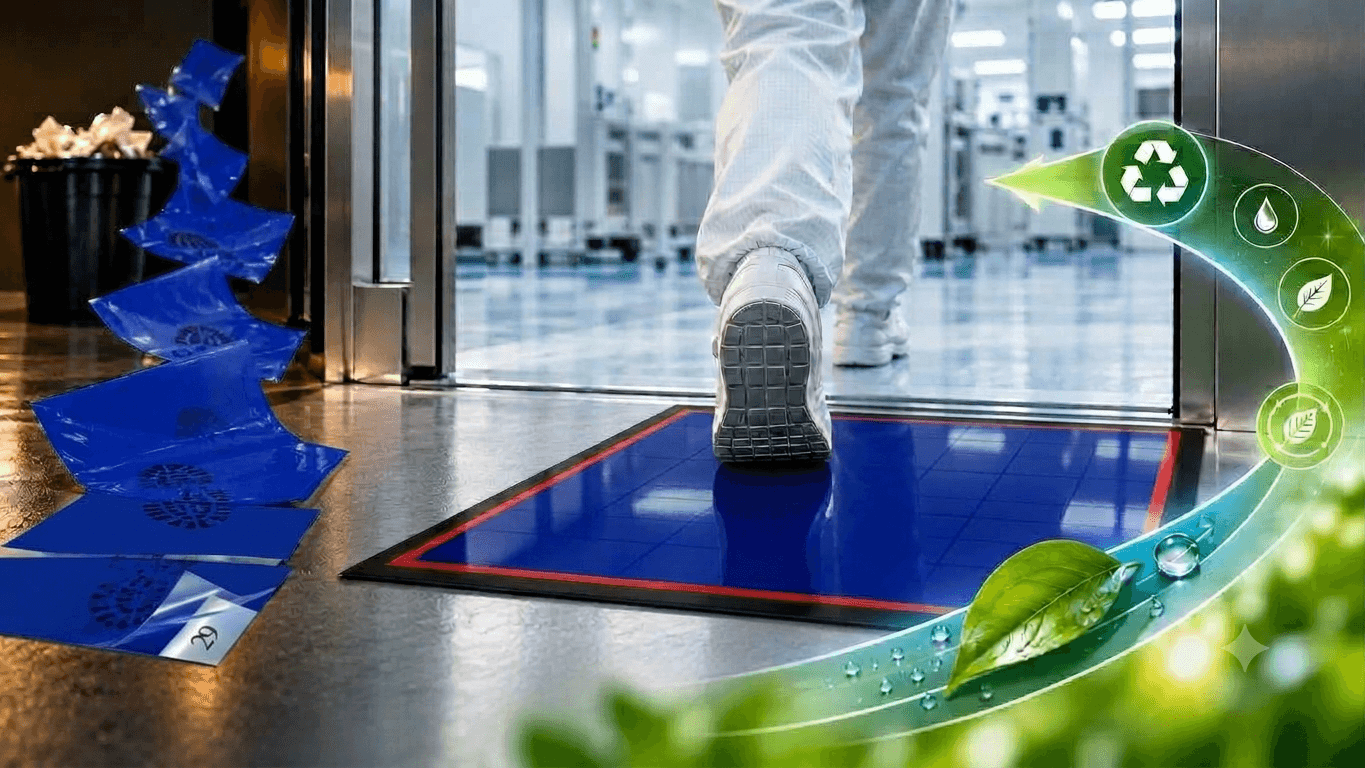
How entryway matting affects Scope 3 waste in life sciences, how to measure it, and how to switch from sticky mats without weakening contamination control.

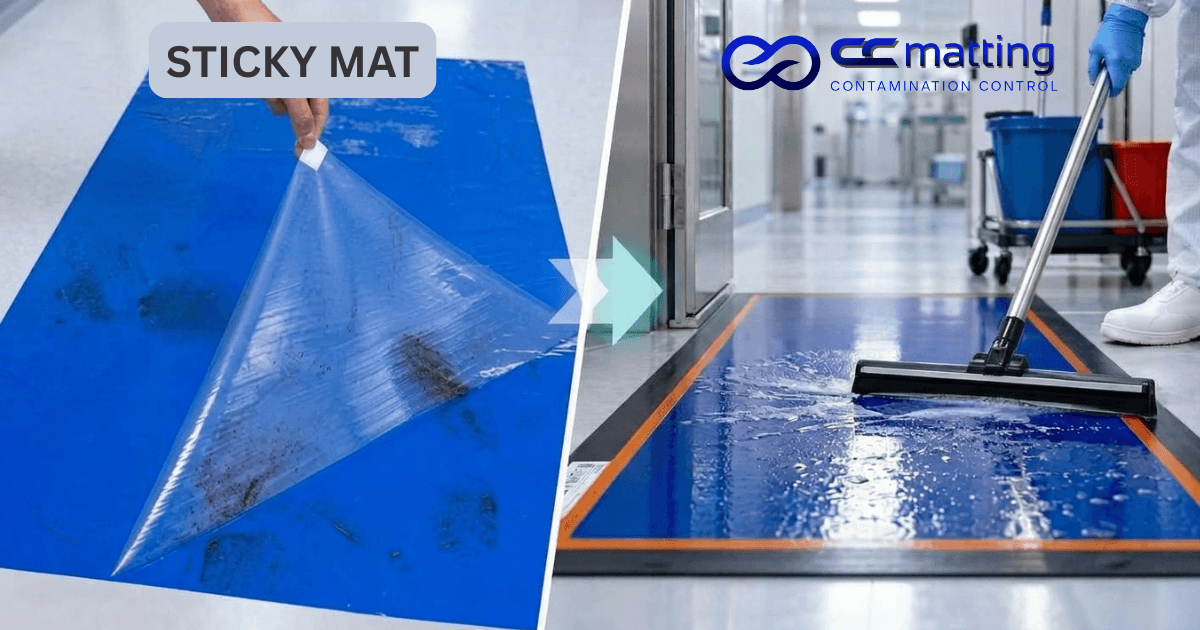
Why sticky mats lose capture, shed debris when peeled and leave adhesive on soles, and what to look for in reusable cleanroom matting instead.

How to clean polymeric contamination control mats using standard squeegees and mild detergents, and fit reusable cleanroom matting into your existing cleaning SOP.

How much polyethylene film does one cleanroom doorway send to waste? We work through the numbers for 4–8 sheets a day and what reusable matting changes.

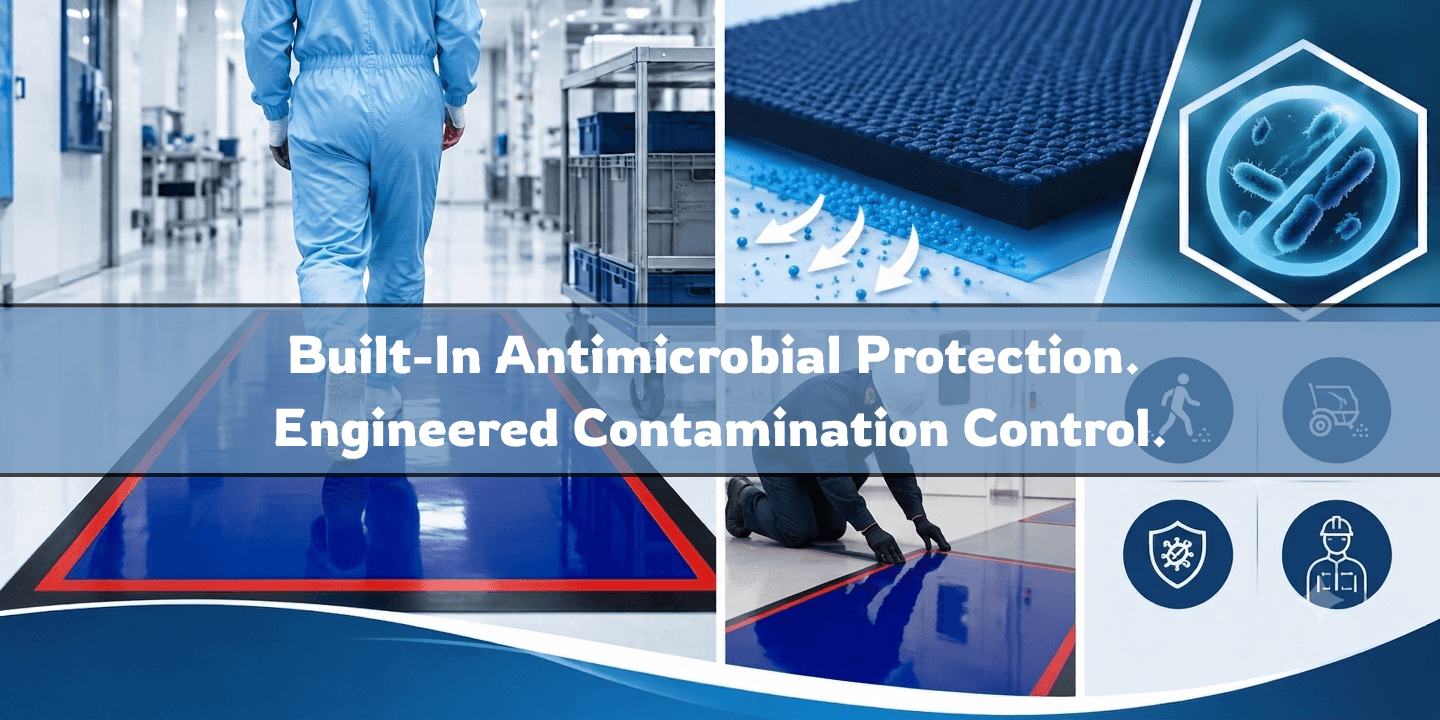
Discover how CC Matting combines engineered polymeric matting, professional installation and built-in Biomaster antimicrobial product protection for critical environments.